
Flatliners (1990)
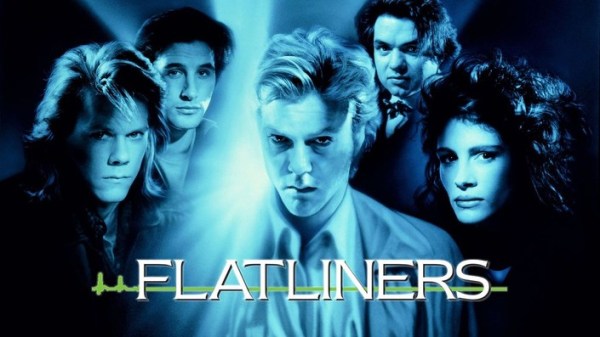
And….pout!
Few films look quite like Flatliners. Joel Schumacher’s vision of a prestigious medical school looks less like a real institution and more like a Gothic nightmare—towering, shadow-clad masonry, accentuated by flickering light and dramatic angles. His visual language bolsters the themes the film immediately proposes to explore: death itself, morality as a concept, and the high cost of blind ambition.
In fact, the first words spoken—after a sweeping coastal helicopter shot of an impossibly young Kiefer Sutherland—are:
“Today is a good day to die.”
It’s not naturalism Schumacher was after when he directed this 1990 cult favorite—it’s atmosphere. And in that area, Flatliners is consistently uncompromising. As such, the film plays more like a theatrical outcry into darkness than a story you can truly connect with. Still, it remains beloved by a generation—enough to inspire a remake and retain a cultural footprint with a younger demographic than it probably deserves.
The premise is striking: a group of medical students begin conducting clandestine experiments in which they intentionally stop each other’s hearts—flatlining—before being revived. They’re exploring near-death experiences, those timeless accounts from people on the edge of life who report visions and encounters with something beyond. But what begins as an earnest attempt to peer into the afterlife quickly darkens into something as ominous as the film’s cavernous sets.

ECHO…Echo…echo…
Nelson, the ringleader, played by Sutherland, speaks with apocalyptic intensity and casts himself as a slave to the process—but his motivations are purely self-serving. He treats the afterlife as his personal discovery, and when others begin participating, he undercuts their experiences and subtly manipulates the rules of engagement. He’s also the first to realize that something sinister may be following them back from the other side. His decision not to share this revelation proves fateful.
Yet Nelson isn’t alone in his flaws. Kevin Bacon’s David is an aggressively cynical blowhard who rappels out of his apartment window instead of taking the stairs. Billy Baldwin’s Hurley is a serial lothario who seems erotically awakened by the presence of scalpels. Oliver Platt (Randy) fills the story’s “Snarkmaster General” role. And Julia Roberts (Rachel) claims to be the voice of reason—until she isn’t. Because once Nelson flatlines and returns with remarkable observations, even the skeptics rush to follow him.
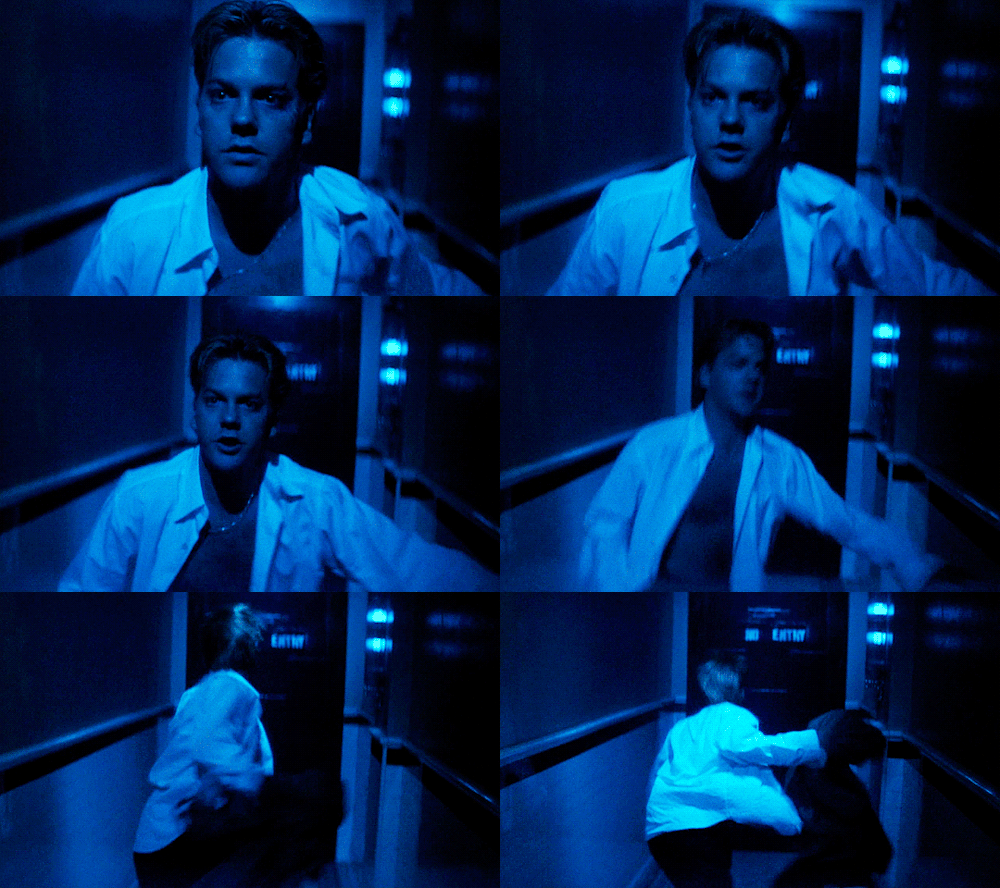
And they’re not the only ones…
It’s immediately clear that these students—brilliant, ambitious, and deeply flawed—aren’t seeking enlightenment. They’re chasing status, validation, and in some cases, redemption. But they do so with an unsettling glibness. Their decisions are rash, their methods ethically fraught. They repeatedly flatline as if daring each other to jump off a cliff, and their conversations afterward sound more like competitive debriefs than solemn reflections.
To be fair, their behavior may not be entirely unrealistic. These are not seasoned professionals—they’re still just a few years removed from adolescence. And how many of us, at that age, would be equipped to face the consequences of our actions, especially if those consequences involved the supernatural?
This blend of personal ambition and philosophical overreach is central to the film’s tone. Schumacher underscores it with a visual style that veers toward the operatic. His use of light and space creates a world where every act feels momentous, every hallway a passage to something larger. That aesthetic, combined with a cast of charismatic young leads, gives the story its heightened quality. Schumacher also draws from the iconography of sin and salvation—there are moments that suggest deeper spiritual forces at work, and the film’s imagery leans heavily on theological symbolism.
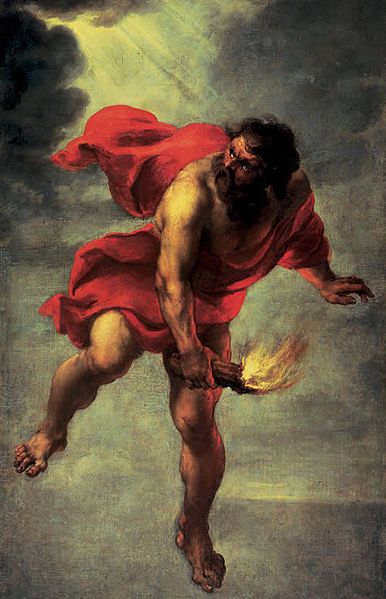
Very heavily.
But Flatliners isn’t aiming for documentary realism—it’s trying to create its own lore. And, as I mentioned earlier, it succeeds. There are many aesthetically compelling reasons why Flatliners still resonates with people today. But what’s disappointing is how little all of that ultimately adds up to anything. For all its ominous foreshadowing, Flatliners concludes with surprisingly few consequences. Sure, the characters are forced to confront difficult truths, but the resolution feels muted. No real reckoning arrives. As many times as I’ve seen this film, the ending still makes me shrug instead of reflect.
Flatliners raises big questions in loud ways, then politely declines to address them.
In the end, it’s less a meditation on death than a sexually charged, visually stylish potboiler about the illusion of control, the seductive draw of power, and the blind spots ambition can create. Its mood, its imagery, and its central conceit are undeniably memorable—even if the results ring hollow. It’s a sometimes fun, often frustrating, occasionally fascinating film that charges forward with youthful arrogance, invites your contemplation, but ultimately leaves you wondering what might have been.
Categories

Bruce Hall View All
“When some wild-eyed, eight-foot-tall maniac grabs your neck, taps the back of your favorite head up against the barroom wall, and he looks you crooked in the eye and he asks you if ya paid your dues, you just stare that big sucker right back in the eye, and you remember what ol' Bruce Hall always says at a time like that: "Have ya paid your dues, Bruce?" "Yes sir, the check is in the mail."
 CRITICULT - Telling you what's up since 2003.